Introduction
Few destinations on Earth inspire the same sense of wonder as the Greek islands. With hundreds of inhabited and uninhabited islands scattered across shimmering seas, Greece offers an extraordinary blend of natural beauty, history, culture, and lifestyle. Travelers are drawn not only by dramatic coastlines and crystal-clear waters but also by the warmth of local communities and traditions that remain deeply rooted in everyday life. The phrase Paradise islands Greece perfectly reflects this rare harmony between nature and humanity, where stunning landscapes coexist with authentic cultural experiences.
The Greek islands are not a single destination but a diverse collection of worlds, each with its own rhythm, personality, and story. Understanding this diversity is the first step toward appreciating why these islands continue to enchant visitors from every corner of the globe.
The Geography That Shapes Island Diversity
The Greek islands are divided into several main groups, each shaped by geography, climate, and history. These include the Cyclades, Ionian Islands, Dodecanese, North Aegean Islands, Sporades, and Crete. While they share a Mediterranean climate and maritime influence, their landscapes differ dramatically.
The Cyclades are known for their iconic white-and-blue architecture, dry terrain, and strong winds that have shaped both the land and traditional lifestyles. The Ionian Islands, located closer to mainland Europe, are greener and more fertile, with rolling hills and lush vegetation. Crete stands apart as the largest island, offering mountains, plains, gorges, and beaches all within one region.
This geographical variety explains why travelers experience something different on each island, reinforcing the idea that Paradise islands Greece is not a single image, but a collection of unique environments shaped by nature and time.
Beaches: More Than Just Beautiful Coastlines
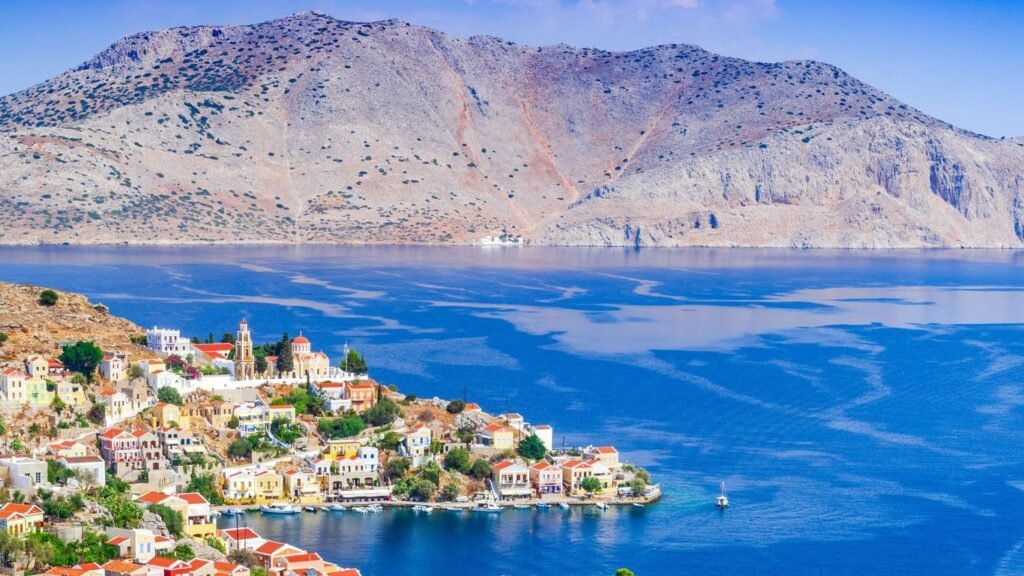
Greek island beaches are world-famous, yet their appeal goes beyond visual beauty. They are places of daily life, social connection, and seasonal tradition. Some beaches are lively and organized, offering sunbeds, cafés, and water sports, while others remain untouched, accessible only by foot or boat.
The color of the water varies from bright turquoise to deep sapphire, depending on the seabed and surrounding rock formations. Pebble beaches often create clearer water, while sandy beaches are ideal for families and long seaside walks. Many islands also feature dramatic cliffs that rise directly from the sea, creating breathtaking contrasts between land and water.
What makes these beaches special is how seamlessly they blend into local life. Fishing boats are often anchored nearby, and seaside tavernas serve food caught just hours earlier. This close relationship between land, sea, and people is a defining characteristic of the Paradise islands Greece experience.
A Lifestyle Rooted in Balance and Community
Island life in Greece follows a rhythm that prioritizes balance over urgency. The day often begins early, especially in fishing and farming communities, but afternoons slow down as people gather for meals, rest, and conversation. Evenings come alive with social activity, as families and friends meet in village squares or along waterfront promenades.
Community plays a central role in island living. In smaller villages, everyone knows one another, and social bonds are strong. Celebrations, religious events, and seasonal festivals bring residents together, reinforcing shared identity and continuity.
Visitors often notice how quickly they adapt to this lifestyle. Without constant pressure to rush, people become more present and attentive to their surroundings. This sense of calm and connection is a key reason many travelers describe Paradise islands Greece as restorative not only for the body, but also for the mind.
History Written into the Landscape
The Greek islands have been inhabited for thousands of years, serving as crossroads of civilizations, trade routes, and cultural exchange. Ancient temples, medieval castles, and traditional villages stand as living reminders of this layered past.
Archaeological sites reveal stories of early societies that thrived on maritime trade and craftsmanship. Venetian fortresses reflect centuries of European influence, while Ottoman-era buildings add further depth to the architectural landscape. Even modern villages often follow layouts established hundreds of years ago.
History on the islands is not confined to museums. It is embedded in daily life—seen in customs, heard in local dialects, and tasted in traditional dishes. This continuity between past and present gives depth to the experience of exploring Paradise islands Greece, making each visit both educational and emotionally engaging.
Culinary Traditions Shaped by Land and Sea
Food is one of the most powerful expressions of island culture. Greek island cuisine is based on simplicity, seasonality, and respect for ingredients. Olive oil forms the foundation of most dishes, complemented by fresh vegetables, herbs, grains, and seafood.
Each island has its own culinary identity. Some are known for cheese production, others for seafood specialties, honey, or wine. Meals are often shared, emphasizing hospitality and togetherness. Recipes are passed down through generations, preserving flavors that reflect both local resources and historical influences.
Dining on the islands is rarely rushed. Meals are opportunities to connect, tell stories, and celebrate life’s small pleasures. Through food, visitors gain insight into values that define Paradise islands Greece—generosity, simplicity, and appreciation for the present moment.
Nature, Adventure, and Outdoor Exploration
Beyond beaches and villages, the Greek islands offer a wide range of outdoor activities. Hiking trails lead through mountains, valleys, and coastal paths, revealing landscapes that few tourists ever see. Some routes follow ancient roads once used by shepherds or traders.
The surrounding seas provide ideal conditions for sailing, diving, and snorkeling. Marine life thrives in many areas, especially around protected zones. Winds in certain regions attract windsurfers and kitesurfers, while calm bays are perfect for kayaking.
These opportunities allow visitors to engage with the islands actively, not just as observers but as participants. Adventure and nature exploration add another dimension to the appeal of Paradise islands Greece, showing that paradise can be dynamic as well as serene.
Tourism, Sustainability, and Responsible Travel
As interest in the Greek islands continues to grow, sustainability has become increasingly important. Some popular destinations face challenges related to overcrowding, environmental stress, and resource management, particularly during peak summer months.
In response, many islands are promoting responsible tourism practices. These include supporting local businesses, protecting natural habitats, managing waste, and encouraging off-season travel. Smaller and lesser-known islands are also gaining attention as alternatives to heavily visited locations.
Travelers play a crucial role in preserving what makes the islands special. By choosing thoughtful travel options, visitors help ensure that the natural beauty and cultural authenticity associated with Paradise islands Greece remain intact for future generations.
Planning an Informed Island Journey
Choosing the right island depends on personal interests. Some islands are ideal for relaxation and solitude, others for cultural exploration, family travel, or vibrant nightlife. Transportation between islands is well-developed, with ferries connecting most regions, though planning ahead is essential.
Timing also matters. Late spring and early autumn offer pleasant weather and fewer crowds, allowing for a more immersive experience. Regardless of season, understanding local customs and respecting community life enhances any visit.
An informed approach transforms a holiday into a meaningful journey, deepening appreciation for the landscapes and people that define Paradise islands Greece.
Conclusion
The Greek islands are often described as beautiful, but beauty alone does not explain their lasting impact. What truly defines them is the relationship between people, place, and tradition. Life unfolds at a human pace, guided by nature and community rather than urgency.
Whether experienced through a quiet beach, a shared meal, a village festival, or a mountain path, the islands offer moments of connection that stay with travelers long after they leave. This enduring emotional resonance is why Paradise islands Greece continues to inspire dreams, journeys, and return visits—standing not just as a travel destination, but as a reminder of a more balanced and meaningful way of living.