California’s coastline stretches for more than 840 miles, offering one of the most diverse collections of beaches in the world. From rugged cliffs in the north to sun-drenched shores in the south, the state’s beaches are shaped by geography, climate, culture, and history. Some beaches are known for surfing and vibrant boardwalks, while others are valued for solitude, wildlife, and dramatic scenery. This guide explores California’s best beaches with a focus on what makes each destination unique, informative travel insights, and what visitors can realistically expect.
Understanding California’s Coastal Diversity
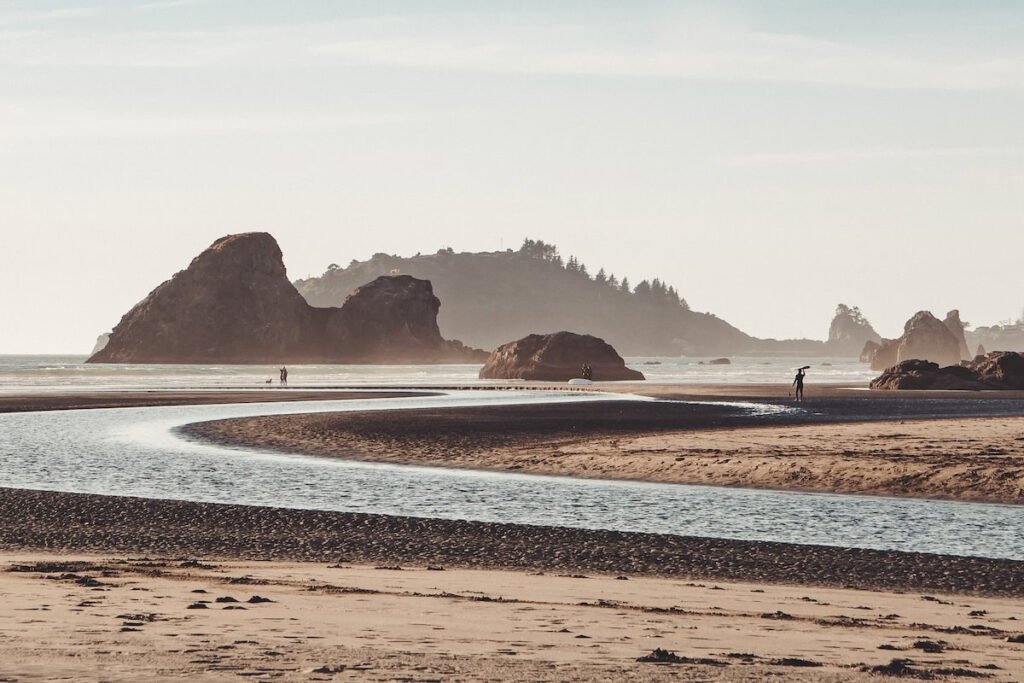
California’s beaches are not uniform. The state’s coastline is typically divided into Northern, Central, and Southern California, each offering a distinct beach experience.
Northern beaches are cooler, windier, and more dramatic, with rocky shores and towering sea stacks. Central California blends wild nature with charming coastal towns. Southern California is famous for wide sandy beaches, warm weather, and an active outdoor lifestyle.
This diversity allows travelers to choose beaches based on climate, scenery, activities, and crowd levels rather than a one-size-fits-all experience.

Coronado Beach – San Diego County
Coronado Beach is widely recognized for its fine, golden sand and calm shoreline. Located across the bay from downtown San Diego, this beach offers a peaceful atmosphere compared to many urban beaches in Southern California.
What Makes It Special
The sand at Coronado Beach contains mica, giving it a subtle sparkle in sunlight. The beach is flat and expansive, making it ideal for long walks, family outings, and beach games. Gentle waves make it suitable for swimming, especially for children.
Local Experience
The historic Hotel del Coronado adds architectural charm and historical significance. The surrounding area is clean, walkable, and well-maintained, reflecting the city’s strong environmental and tourism policies.
Laguna Beach – Orange County
Laguna Beach is known for its artistic culture, rocky coves, and crystal-clear waters. Unlike long, uninterrupted beaches, Laguna features a series of smaller coves framed by cliffs and coastal vegetation.
Natural and Cultural Appeal
The underwater environment makes this area excellent for snorkeling and tide-pool exploration. Art galleries, public sculptures, and festivals reflect the town’s creative heritage.
Practical Information
Parking can be limited, but public shuttles operate during peak seasons. Many beaches here are protected marine areas, so collecting shells or disturbing wildlife is prohibited.
Santa Monica Beach – Los Angeles County
Santa Monica Beach represents the classic Southern California beach experience. Wide sandy shores, consistent sunshine, and iconic landmarks make it one of the most recognizable beaches in the world.
Activities and Attractions
The Santa Monica Pier features an amusement park, aquarium, and restaurants. Cyclists and pedestrians enjoy the beach path that connects Santa Monica to Venice Beach.
Urban Beach Dynamics
This beach balances tourism and local use. While it can be crowded, especially in summer, the size of the shoreline allows visitors to spread out. Strong lifeguard presence enhances safety.
Pfeiffer Beach – Big Sur
Pfeiffer Beach is one of California’s most visually striking beaches. Located along the Big Sur coast, it is known for its purple-tinted sand and dramatic rock formations.
Geological Features
The purple sand comes from manganese garnet deposits in the surrounding hills. A massive rock arch, often framed by sunset light, makes this beach a favorite for photographers.
Visiting Tips
The beach is accessed by a narrow, unmarked road and has limited parking. Swimming is not recommended due to strong currents, but the scenery alone makes the visit worthwhile.
Carmel-by-the-Sea Beach – Monterey County
Carmel Beach offers a refined coastal experience with white sand, scenic bluffs, and a charming village nearby.
Scenic and Recreational Value
The beach is popular for walking, jogging, and sunset viewing. It is also dog-friendly, a rare feature among California beaches.
Environmental Conditions
Water temperatures are cold year-round, and waves can be unpredictable. Visitors should dress in layers and be mindful of weather changes.
Venice Beach – Los Angeles County
Venice Beach is known for its unconventional spirit, street performances, and eclectic atmosphere.
Cultural Significance
The boardwalk features musicians, artists, vendors, and performers, making it a living cultural exhibit. Muscle Beach remains a symbol of California’s fitness culture.
Beach Experience
While the beach itself is sandy and spacious, the main attraction is people-watching and social energy rather than swimming or solitude.
La Jolla Shores – San Diego County
La Jolla Shores is a mile-long crescent beach ideal for water sports and marine exploration.
Marine Life and Education
This beach sits near an underwater canyon, creating rich marine biodiversity. Kayaking, paddleboarding, and snorkeling are popular, and nearby marine research institutions contribute to conservation efforts.
Accessibility
The beach offers ample parking, restrooms, and grassy picnic areas, making it family-friendly and accessible for beginners in water sports.
Glass Beach – Fort Bragg
Glass Beach is one of California’s most unusual coastal destinations. Located in Northern California, it is famous for its sea-polished glass pebbles.
Historical Background
The glass originates from a former landfill that was later cleaned up. Over decades, ocean waves smoothed the glass into colorful pieces.
Conservation Rules
Visitors are no longer allowed to remove glass. The beach now serves as an example of environmental recovery and the ocean’s ability to transform waste.
Malibu Surfrider Beach – Los Angeles County
Surfrider Beach is a world-renowned surfing destination located near Malibu’s historic pier.
Surf Culture
The beach has played a major role in the development of modern surfing. Consistent waves attract experienced surfers year-round.
Coastal Protection
The area is designated as a World Surfing Reserve, recognizing both its environmental and cultural importance.
Natural Bridges State Beach – Santa Cruz
Natural Bridges State Beach is known for its rock arch formations and seasonal wildlife migrations.
Wildlife Viewing
During the fall and winter, monarch butterflies gather in nearby eucalyptus groves. Tide pools offer insight into marine ecosystems.
Educational Value
Interpretive signs and visitor programs make this beach especially informative for families and students.
Point Reyes National Seashore – Marin County
Point Reyes features vast, undeveloped beaches framed by rolling hills and fog-covered headlands.
Remote Beauty
Beaches like Drakes Beach and Limantour Beach feel untouched and quiet. Strong winds and cool temperatures create a dramatic atmosphere.
Safety and Preparation
Swimming is dangerous due to rip currents and cold water. Visitors should focus on hiking, wildlife viewing, and photography.
Factors to Consider When Choosing a California Beach
Climate and Water Temperature
Southern beaches are warmer, while northern beaches remain cool year-round.
Crowd Levels
Urban beaches attract larger crowds, while remote beaches offer solitude.
Activities
Some beaches are ideal for surfing, others for snorkeling, walking, or wildlife observation.
Accessibility
Parking, restrooms, and nearby services vary significantly by location.
Environmental Responsibility and Beach Etiquette
California beaches are protected by strict environmental laws. Visitors should follow Leave No Trace principles, respect wildlife, and obey posted regulations. Many beaches are part of marine sanctuaries where conservation is a priority. More information visit my site Travel With Hubby.
Conclusion
California’s coastline is one of the most diverse and captivating in the world, offering far more than just sandy shores. From the dramatic cliffs of Northern California to the vibrant, sun-soaked beaches of the south, each destination reflects a unique blend of natural beauty, local culture, and environmental character. Some beaches invite adventure through surfing, kayaking, and exploration, while others offer calm spaces for reflection, scenic walks, and wildlife observation.
What makes California’s beaches truly special is their variety. Travelers can experience bustling urban beaches with iconic landmarks, quiet stretches of protected shoreline, artistic coastal towns, and ecologically rich marine environments—all within the same state. Understanding factors such as climate, accessibility, safety conditions, and conservation rules helps visitors choose beaches that best align with their interests and travel style.
As coastal ecosystems face increasing environmental pressures, responsible tourism plays a crucial role in preserving these natural spaces. By respecting wildlife, following local regulations, and practicing sustainable habits, visitors contribute to the long-term protection of California’s shoreline. Whether you seek adventure, relaxation, or natural discovery, California’s beaches continue to offer unforgettable experiences shaped by both nature and community.